
Mobile locksmith service
Cashmere
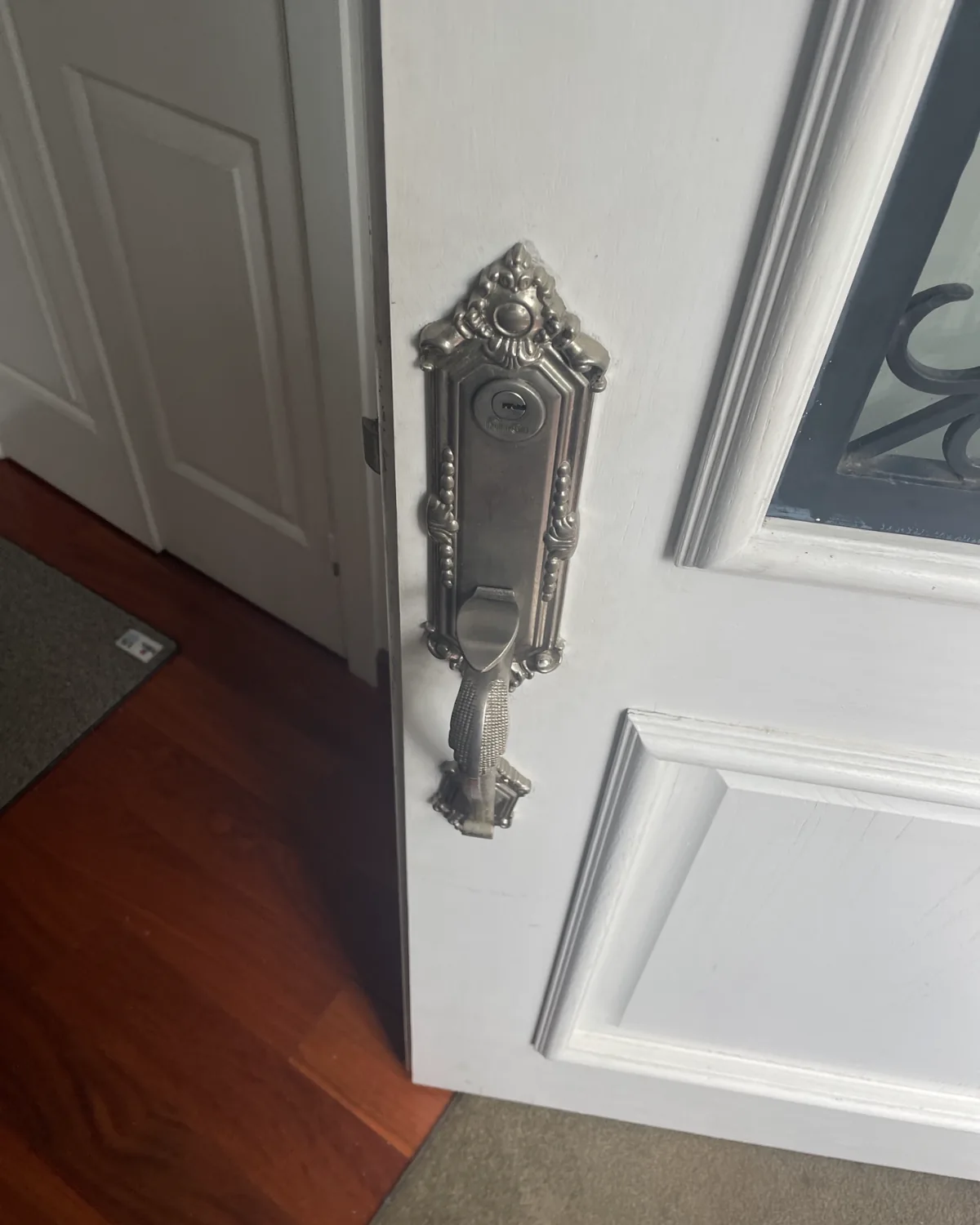
A household with more than one external door gathers keys faster than anyone intends. Working out which openings belong together at a Cashmere address turns a growing keyring into an arrangement that can be explained in a single sentence.
Monday–Friday, 7am–4pm · Mobile service
Start with what changed
How should several doors be organised?
Once a house has more than two ways in, the arrangement matters as much as the locks themselves. Three decisions cover most of it.
What should I tell the locksmith?
Describe the property, the doors involved, what the key or lock is doing and who needs access. You do not need to identify the lock type yourself.
Repair, rekey or replace?
The right path depends on whether the hardware is still serviceable, whether old keys must stop working and whether the current lock still suits the door.
A clearer decision
How should several doors be organised?
Once a house has more than two ways in, the arrangement matters as much as the locks themselves. Three decisions cover most of it.
Grouping
Which doors genuinely belong together
Doors the same people use in the same pattern are the ones worth keying alike. The front and rear entries usually qualify; a room someone else uses or a gate onto the yard often does not, and treating it as separate keeps the arrangement honest.
The practical next stepA main group and its exceptions.
Access
Where a key could give way to a code
A door used by several people at different times can be simpler on a code than on a key, because a code is changed without cutting anything. That is a decision about how the door is used rather than about the technology involved.
The practical next stepThe right opening on the right access.
Control
How the arrangement survives change
A key plan is only useful if it still works after circumstances move. Deciding in advance which door is rekeyed when a key is lost, and who holds the master, keeps the plan intact after the first disruption rather than before it.
The practical next stepA plan that holds after change.
Local service planning
Multi-door households in Cashmere
Cashmere is postcode 4500, within the North Brisbane service area. The questions raised here are about the house rather than the area: how many openings a household is really managing, and whether they ought to work on one key.
Counting the openings first
Most households underestimate how many openings they manage, because gates and internal garage doors are easy to forget. Counting them all, including the ones rarely used, is the first step in deciding how they should be grouped.
Who needs which door
The arrangement should reflect the people in the house. Where one adult leaves earlier, where someone else gets home first or where a room is used as a separate workspace, the doors those people need most are the ones that should share a key.
Keeping the everyday keyring small
The everyday keyring should be small enough to explain. Where the plan has grown to take in a workshop, a letterbox and a gate at the end of the yard, splitting it into a main set and a second set for occasional doors is usually the answer.
Common locksmith work
What a household key plan involves
Choose the page that best matches the outcome you need, or describe the problem in the enquiry form.
Service option
Master Keying
Levels of access within one house: individual keys for the doors people use daily, and a master for whoever needs everything. It suits a household where the arrangement has outgrown a single key for the front door.
Read about Master Keying →Service option
Keyless Entry
Entry on a code or fob at the doors seeing the most traffic. Where several people come and go at different times, this removes the need to cut another copy every time something changes.
Read about Keyless Entry →Service option
Deadlocks
A second locking point on an entry door, added where the existing latch is doing all the work. Worth planning at the same time as the keying, so the door is finished in one pass rather than two.
Read about Deadlocks →Service option
Lock Installation
Fitting hardware that matches the plan rather than shaping the plan around it. New locks installed to suit a grouping avoid an arrangement built around whatever happened to be on the door.
Read about Lock Installation →
Locksmith Services North Brisbane
A local person to talk to
Explain the access problem in plain language.
Cashmere households are served by Locksmith Services North Brisbane, a mobile locksmith working across North Brisbane from a base at Chermside West QLD 4032. Steve Johnston takes enquiries, and bookings are taken Monday–Friday, 7am–4pm.
See over 100 five-star Google reviews →
What happens next
Turning several doors into one plan
- 01 / Step
Map the doors that lock
Start with a list rather than a keyring: every external door, gate and garage opening that can be locked, with a note of who uses each. The map is usually longer than expected.
- 02 / Step
Decide the grouping
Agree which openings share a key and which stay on their own, then decide where a code suits better than a key. This is the point where a household's habits are translated into an arrangement.
- 03 / Step
Fit, then document
Once the locks are set up, record which key covers which opening and where the spares live. That record is what lets somebody else follow the plan, or lets it be revisited years later.
Useful guidance
Making a multi-door arrangement work
Group by use, not by proximity
Doors beside each other do not necessarily belong on the same key. The useful test is who opens them and how often: two doors used by the same people in the same routine belong together, while a door used by somebody else does not.
Keep one door genuinely separate
A single opening deliberately kept off the main key is what makes a plan flexible. When a key is lost or access changes, that door can be rekeyed without disturbing the rest of the household's arrangement, which is worth more than perfect uniformity.
Write the arrangement down
Most key plans fail because nobody recorded them. A short note listing each key, the doors it opens and who holds one is enough, and it saves a great deal of guesswork when the arrangement next needs to change.
Useful answers
Cashmere locksmith questions.
If your situation is different, tell us what changed and what you need the doors or keys to do.
Is one key for every door a good idea?
Sometimes, and often not. A single key is convenient until it is lost, at which point every door it opened needs attention. Keeping one opening on a separate key limits how much has to change when that happens.
How many keys does a household usually hold?
It depends on the arrangement rather than the house. A typical plan is one key for the doors used daily, a separate key for an opening that belongs to somebody else, and a master if one person needs to reach everything.
Could a digital lock replace a key at every door?
It could, but it is rarely necessary. Codes are most useful at the door with the most traffic, where copies are constantly being cut and reissued. Other doors are often better left mechanical, where a key stays simpler to manage.
What should be done when a key is lost?
Identify which group the key belonged to and rekey that group. If one door is deliberately kept separate, that door does not need touching, which is the practical benefit of planning the arrangement rather than letting it form on its own.
Does the arrangement need to be written down?
Yes, even roughly. Knowing which key opens which opening, and who holds a copy, is what stops a plan from becoming guesswork, and it makes a later change much quicker to work through.
More coverage
Other North Brisbane areas.
Need help at another property? Contact us with the address and the access problem.
Contact Locksmith Services North Brisbane →Your next step
Tell us about
your doors.
Include your Cashmere address, the doors or access points involved, what has changed and the result you need.
(07) 3469 5101 ↗Call Monday–Friday, 7am–4pm
Please leave out access codes, alarm details and photographs of key cuts. Confirm who can authorise the work.
Other contact details →Fields marked * are required. Street address is optional.