
Locksmith Services North Brisbane
Restricted master keying. North Brisbane.
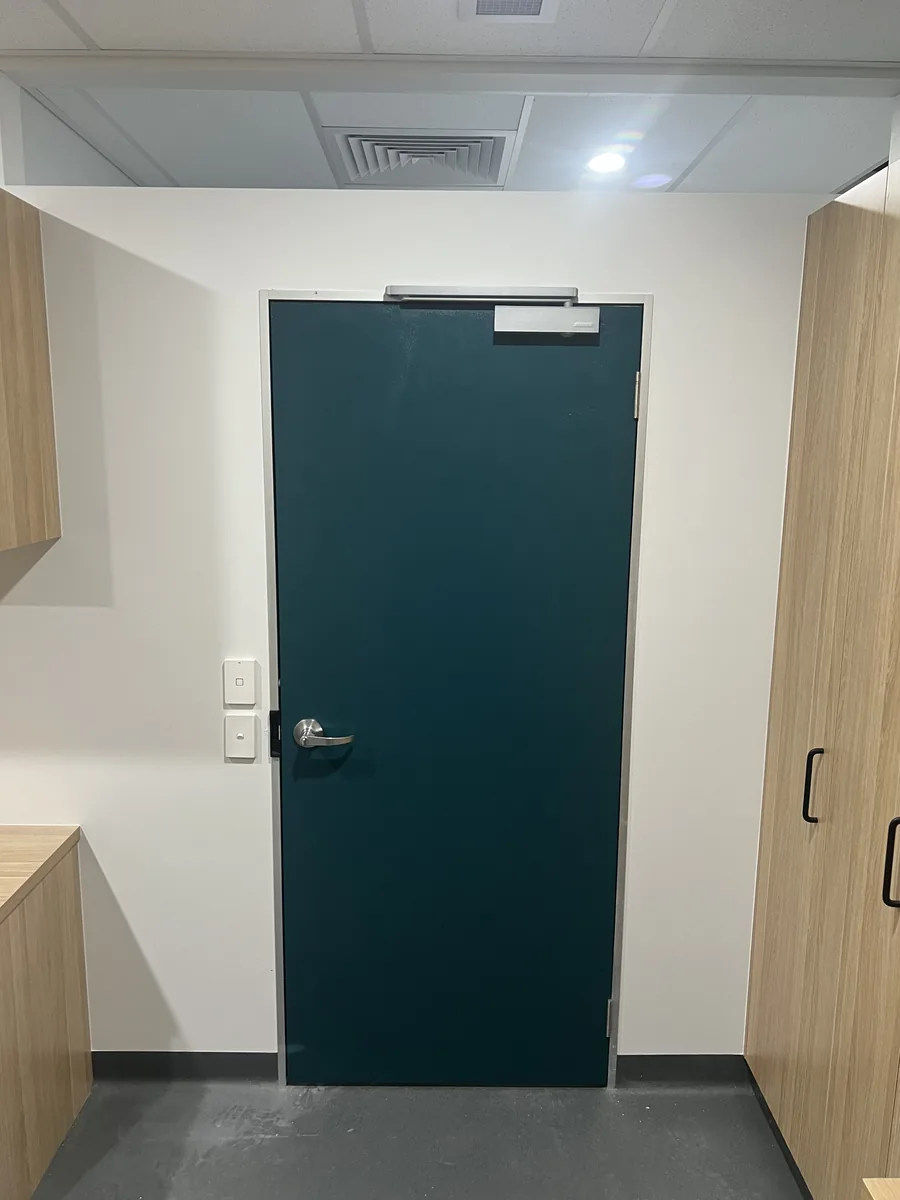
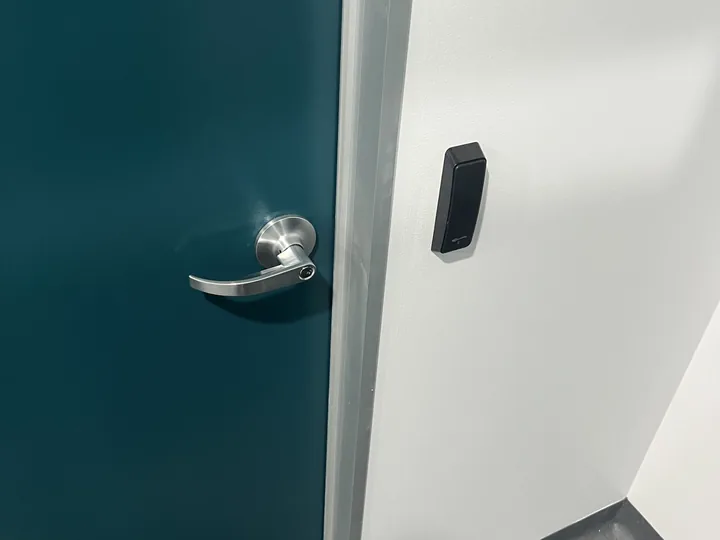
A restricted master key system gives a manager one key that opens every door, while staff, tenants and contractors carry keys limited to the doors their role requires. Restricted keyways are cut only with your authority, so a key cannot be copied on request at a hardware shop. It suits property where knowing who holds which key matters.
Monday–Friday, 7am–4pm · Mobile service
Start with the outcome
Three ways this project usually starts
Restricted keying is a design decision rather than a single part. The doors, the people who use them and the keys already in circulation decide whether the job is a new system for the whole property, an extension of one already in place, or containment after keys have gone astray.
What this service helps you decide
You are responsible for a building, a group of tenancies or a secure area, and the key register has stopped making sense. Spare keys are in circulation, doors are opening for the wrong people, or a growing team needs clearer limits. You want a hierarchy designed around how the property is actually used, not a shelf of locks keyed the same way.
Tell us what you need →What should I mention first?
Tell us the suburb, the door or access point involved, what has changed and the result you need. That gives us a useful starting point without asking you to diagnose the hardware.
Choose the right path
Three ways this project usually starts
Restricted keying is a design decision rather than a single part. The doors, the people who use them and the keys already in circulation decide whether the job is a new system for the whole property, an extension of one already in place, or containment after keys have gone astray.
Whole property
A new restricted system from scratch
Suitable when several doors exist and no hierarchy currently holds them together. Each door is surveyed, the access levels are agreed, and every lock is matched to the system so one management key can sit above the rest. Locks that suit the restricted profile can often be rekeyed into it; locks that cannot are replaced so the whole property shares one keyway family.
The outcomeA documented hierarchy with one management key and keys issued by level.
Part of a system
Extending keys and doors on a system already running
Suitable when restricted keying is already in place, usually identifiable from markings on the keys or the locks. Adding a door, replacing a lost management key or issuing a key to a new staff member all depends on the original profile and supplier. Tell us what is stamped on the keys and what is written on any key control card before anything is changed.
The outcomeNew keys and doors that belong to the system you already have.
Keys out of hand
Containing keys that should no longer open a door
Suitable when keys have gone missing, a tenant has moved out or a contractor never returned a key. This is the point at which restricted keying earns its keep. The doors involved, the level of each missing key and who still needs access determine whether affected cylinders are rekeyed into the restricted profile or replaced outright.
The outcomeAccess narrowed to the people who should still hold keys.

Locksmith Services North Brisbane
A local person to talk to
Talk through the doors, keys and access.
Start by telling Stephen Johnston what the property is and roughly how many people use each entrance. You do not need to know lock brands or part numbers. Locksmith Services North Brisbane is based in Chermside West QLD 4032 and provides mobile residential and commercial locksmith services across North Brisbane, Monday–Friday, 7am–4pm. The business is rated 5.0 on Google from 105 reviews at the time of writing.
See over 100 five-star Google reviews →
What happens next
How a restricted hierarchy is built
- 01 / Step
Survey the doors
Every entrance, internal door and secure area is listed with the lock currently fitted and the access level it should sit at. Doors with exit hardware, fire ratings or building-managed entry are identified early because they are treated differently from a standard lock.
- 02 / Step
Agree the access levels
Work out with the people who run the property which roles hold which keys: management, staff, cleaners, contractors and individual tenants. Time spent here is what stops the system being redesigned within a year.
- 03 / Step
Match the hardware to the plan
Locks that suit the restricted profile are rekeyed or fitted with the correct cylinder. Where a door forms part of a shared or fire-separated area, existing hardware is left as it is and the keying is planned around it.
- 04 / Step
Issue keys against a register
Keys are cut, marked and issued against a simple register recording who holds what level. The register stays with the property and becomes the record for every later addition, replacement or lost key.
Useful guidance
Keeping control after the keys are issued
Written authority for every copy
A restricted system stays restricted only while duplication is controlled. Anyone asking for an extra key should be authorised in writing by the owner or property manager, with the door level named on the request, and that authority should be kept with the register. If a key is reported lost, record the level and the date straight away so the exposure can be judged before the next change is made. When a key holder leaves, log the return, and if the key does not come back, treat the doors it opened as needing attention.
Plan for changes before they happen
Properties change: new tenants arrive, extra staff join, a fit-out adds a door, a secure area expands. A restricted system copes with this better when the original plan allowed headroom, so ask for spare levels and a note of which cylinders can accept additional keys. Keep the supplier details, keyway markings and system records together so a future locksmith can identify the profile instead of guessing. If the property is sold or management changes, hand the register and system information over rather than leaving someone to reconstruct it.
Useful answers
Restricted Master Keying questions.
If your situation is different, describe the property, door and outcome in the enquiry form.
Can a restricted key be copied at a hardware shop?
No. The keyway is supplied under a controlled arrangement, so copies are cut only with the authority of the system holder. That is the practical difference between restricted keying and a standard lock, and it is why keeping a register of issued keys matters as much as the hardware itself.
Do I have to replace every lock?
Not always. Locks that suit the restricted profile can often be rekeyed into it, which keeps both disruption and cost lower. Older or unsupported hardware may need replacing so that every door in the system is keyed to the same profile and behaves predictably.
Can one restricted system cover several buildings?
It can, if the doors, users and supplier arrangements are planned together. Sites in different suburbs can sit under a single hierarchy or under separate systems with their own management keys. The choice comes down to whether the same people need access across sites and who will hold the register.
What happens if a master key is lost?
The level of the missing key decides the response. A management key that opens everything puts the whole system in scope, while a key limited to one area affects fewer doors. Report the loss during business hours so the affected cylinders can be assessed and rekeyed or replaced if the condition calls for it.
Will staff need training to use restricted keys?
Nothing technical is asked of users, who simply carry the key issued to their level. Managers need the register and a clear process for authorising a new key. Handover should cover both, plus how to record a lost key, a returned key or a change of key holder.
Related locksmith services
Explore the right service.
Not sure which service fits? Start with what the key, handle or door is doing. We can discuss the next step before work is agreed.
Other contact details →Your next step
Tell us about
your doors.
Include your suburb, the doors or access points involved, what has changed and the result you need.
(07) 3469 5101 ↗Call Monday–Friday, 7am–4pm
Please leave out access codes, alarm details and photographs of key cuts. Confirm who can authorise the work.
Other contact details →Fields marked * are required. Street address is optional.