
Locksmith Services North Brisbane
Commercial locksmith solutions. North Brisbane.
Commercial doors are used harder than domestic ones. Staff, deliveries, customers and cleaners all pass through them, and a lock that fails during trading costs more than the repair itself. Commercial locksmith work looks at the whole entrance: the hardware, who needs access, who should not have it, and what has to keep working while the job is done.
Monday–Friday, 7am–4pm · Mobile service
Start with the outcome
One door, the whole site, or a planned change
Commercial work usually starts from one of three positions: a single door that has failed, a site that has grown without a keying plan, or a change such as a fit-out, a new lease or extra staff. Naming which position you are in makes the scope clearer from the first conversation.
What this service helps you decide
You manage or own business premises and the doors have become a problem rather than a detail. Staff share keys that were never controlled, a shopfront lock has become unreliable, a new tenancy needs hardware sorted before opening, or several doors have been keyed differently over the years and no one can keep track.
Tell us what you need →What should I mention first?
Tell us the suburb, the door or access point involved, what has changed and the result you need. That gives us a useful starting point without asking you to diagnose the hardware.
Choose the right path
One door, the whole site, or a planned change
Commercial work usually starts from one of three positions: a single door that has failed, a site that has grown without a keying plan, or a change such as a fit-out, a new lease or extra staff. Naming which position you are in makes the scope clearer from the first conversation.
One door
Getting a single problem entrance working
Suits a shopfront, office or warehouse door that has failed on its own: a lock that will not key, a handle that has come loose, a cylinder that has been forced, or a door that no longer closes squarely enough to lock. The affected entrance is assessed as a complete unit so the fix addresses the cause rather than the symptom.
The outcomeOne dependable entrance, without disturbing the rest of the site.
Whole site
Bringing every door under one keying plan
Suits premises where locks have been added door by door and keys have multiplied. Each entrance is surveyed, access levels are agreed with management, and the hardware is brought into one plan so the keys held by managers, staff, cleaners and contractors each open only what that role needs. Existing sound locks are used where they suit the plan.
The outcomeA site that is keyed on purpose, with a register of who holds what.
Planned change
Hardware for a fit-out, move or new tenancy
Suits a change of use rather than a failure: a new tenancy that needs doors secured before stock arrives, a fit-out that adds internal doors, or a business taking on more staff and more keys. Planning the locking here avoids the compromises that show up when hardware is bought piecemeal during a build.
The outcomeDoors ready for occupation, with keying decided in advance.
Locksmith Services North Brisbane
A local person to talk to
Talk through the doors, keys and access.
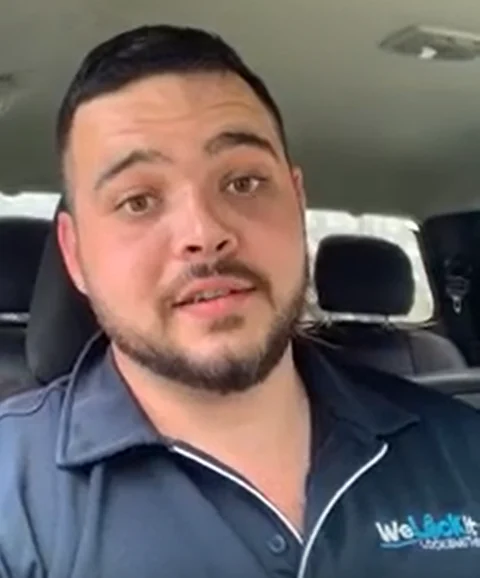
Have the site address, the doors involved and who can authorise work ready, and say whether anything on site restricts access to particular areas. Locksmith Services North Brisbane is based in Chermside West QLD 4032 and provides mobile residential and commercial locksmith services across North Brisbane, Monday–Friday, 7am–4pm. The business is rated 5.0 on Google from 105 reviews at the time of writing.
See over 100 five-star Google reviews →
What happens next
How a commercial job is organised
- 01 / Step
Walk the doors
Each entrance is looked at in turn with its lock, closer, handle, frame and any exit or access hardware noted. Doors that form part of a building's shared entry, fire separation or tenancy boundary are identified early, because they follow different rules from a standard door.
- 02 / Step
Agree what must keep working
Trading, deliveries, staff entry and any door that has to stay in use at particular times of day are discussed, so the work order does not shut down an entrance that cannot be spared. Anything that must remain operational during the job is listed before work starts.
- 03 / Step
Carry out the work in order
Repairs, cylinder changes and new hardware are completed door by door, with sound existing locks retained where they suit the plan. Where a part has to be ordered, you are told which doors are affected and what the temporary position is.
- 04 / Step
Record and hand over
Keys are issued against a register, the work done on each door is noted, and any hardware that will need attention later is pointed out. Managers keep the record, which is what makes the next change straightforward rather than a fresh survey.
Useful guidance
Managing commercial doors sensibly
Doors that should not simply be altered
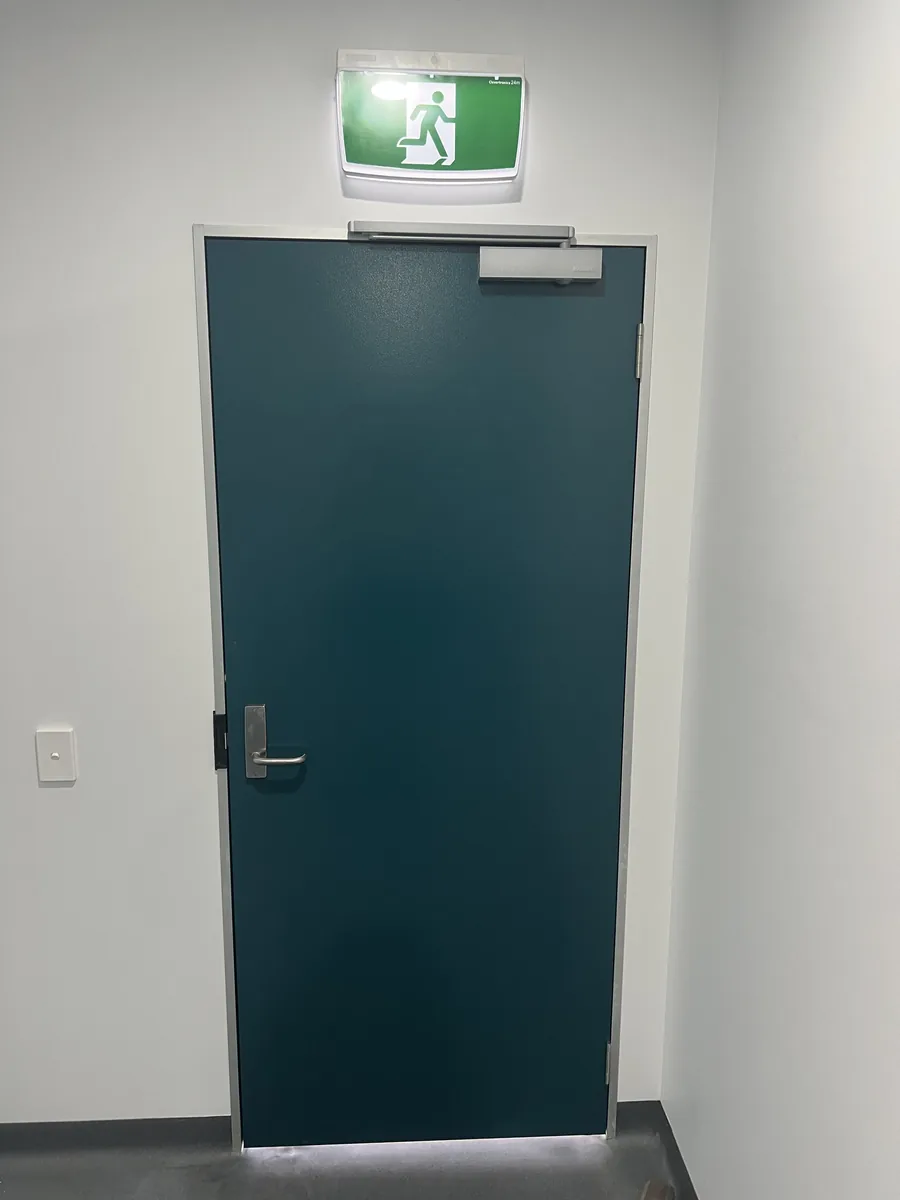
Some doors on a commercial site are not ordinary doors. Fire doors, smoke doors and doors on a required exit path carry hardware chosen for a purpose, and altering, removing or propping them can compromise the building as well as invite trouble at inspection. Exit devices, closers and panic hardware should keep working as designed. Building-managed entry systems, intercoms and access-controlled doors also sit outside general locksmith work, since the building owner or body corporate controls them. Identify these doors at the start and plan around them rather than through them.
Key control as an operational habit
Most commercial key problems come from growth rather than carelessness. A staff member leaves without returning a key, a cleaner keeps a copy, a spare sits in a drawer that changes hands. The fix is unglamorous: a written register, a named person who authorises new keys, and a habit of recording returns on the day they happen. Where a key cannot be accounted for, treat the doors it opened as compromised and decide deliberately whether they need attention. Restricted keyways help, but they only work alongside someone actually keeping the record up to date.
Useful answers
Commercial Locksmith Solutions questions.
If your situation is different, describe the property, door and outcome in the enquiry form.
Can the work be arranged around our trading hours?
Scheduling is discussed when the job is booked so a busy entrance is not out of action at the worst time. Work is carried out during business hours, Monday–Friday, 7am–4pm. Tell us which doors are essential to trading so the order of work can be planned before anything begins.
Our doors are all keyed differently. Can that be tidied up?
Yes, and it is one of the most common commercial jobs. Every entrance is surveyed and the access levels are agreed, then the locks are brought into one keying plan. Sound locks that suit the plan are usually kept, so the work focuses on what actually needs to change.
Do you work on shopfront doors and roller shutters?
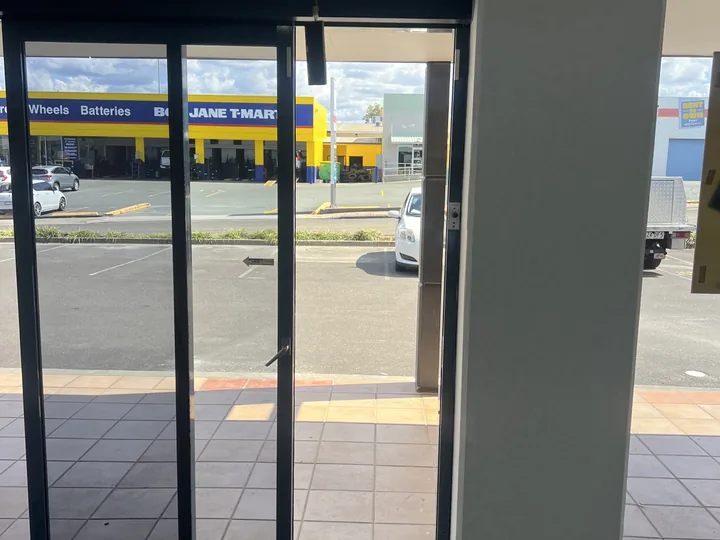
Shopfront and commercial entrance doors are part of general commercial locksmith work, including glass doors with their own locking hardware. Roller shutters and automatic doors are specialist systems, so tell us what you have and whether the problem is the lock, the motor or the opening mechanism.
What about fire doors and required exits?
Those doors have requirements that ordinary repair work cannot cover, and their hardware should not be altered or removed to make something else easier. They are identified during the survey, and any work proposed around them is discussed with you rather than assumed.
Who should authorise work in a leased premises?
Whoever holds responsibility under the lease, which may be the tenant for internal doors and the owner or property manager for the entry and shared areas. Confirming that before the job is booked avoids work being done on doors that are not in your control.
Related locksmith services
Explore the right service.
Not sure which service fits? Start with what the key, handle or door is doing. We can discuss the next step before work is agreed.
Other contact details →Your next step
Tell us about
your doors.
Include your suburb, the doors or access points involved, what has changed and the result you need.
(07) 3469 5101 ↗Call Monday–Friday, 7am–4pm
Please leave out access codes, alarm details and photographs of key cuts. Confirm who can authorise the work.
Other contact details →Fields marked * are required. Street address is optional.