
Mobile locksmith service
Bribie Island
Some properties have a short list of key holders and others have a long one: family, a cleaner, a property manager, a tradesperson, neighbours who keep a spare. Once several people need access, retiring a key properly takes more than changing one lock.
Monday–Friday, 7am–4pm · Mobile service
Start with what changed
Who needs access, and to which doors?
Where more than one person holds a key, the useful move is to decide the levels first. Each person is given the reach their role needs, so access can be given and taken back without reworking the whole property.
What should I tell the locksmith?
Describe the property, the doors involved, what the key or lock is doing and who needs access. You do not need to identify the lock type yourself.
Repair, rekey or replace?
The right path depends on whether the hardware is still serviceable, whether old keys must stop working and whether the current lock still suits the door.
A clearer decision
Who needs access, and to which doors?
Where more than one person holds a key, the useful move is to decide the levels first. Each person is given the reach their role needs, so access can be given and taken back without reworking the whole property.
The handover
Work out what the old keys opened
At a change of occupant or owner, start with the doors the previous keys could reach. Those are the doors worth rekeying before new keys are issued, so there are not two active sets with unknown holders.
The practical next stepKnown access from the first set of new keys.
Several users
Set the levels before the keys are cut
A household, a person who cleans, a property manager and a tradesperson do not need the same reach. Setting the locks at different levels means each key opens its own group of doors, so access handed out for one purpose does not quietly extend to the whole property.
The practical next stepEach person holding only what they need.
Keys that keep circulating
Take the copy out of the equation
Where a door is used by a lot of people, code or credential entry removes the need to pass a physical key around at all. A code can be given to a visitor and changed later, which suits a door that would otherwise collect an unaccountable set of copies.
The practical next stepAccess that can be changed rather than chased.
Local service planning
Bribie Island handovers and shared access
Bribie Island sits inside the area covered by the mobile locksmith service. For a property here that a number of people use, the workable approach is to treat access as a list of people and doors, deal with the handover first, then set the levels to match who needs what.
Start with the list of people
Write down everyone who currently holds a key or a code, and what each one is meant to open. That list decides the scope of the work more accurately than the number of doors.
Deal with the handover before the levels
Retiring the keys that should no longer work comes first, because setting levels on top of a set of old keys leaves the same unanswered question at the end.
Keep a record of who holds what
A short note of which person holds which key or code makes the next change simple. It also means access can be withdrawn when someone no longer needs it, without reworking the property.
Common locksmith work
Access work for handovers and shared use
Choose the page that best matches the outcome you need, or describe the problem in the enquiry form.
Service option
Re-Keying
Retiring the keys already in circulation by changing the keying, with the existing locks left on their doors.
Read about Re-Keying →Service option
Master Keying
Setting the locks at different levels, so one key opens more doors than another and each person's reach matches their role.
Read about Master Keying →Service option
Restricted Master Keying
A key system where copies cannot be cut without authorisation, useful where a number of people hold keys over time.
Read about Restricted Master Keying →Service option
Keyless Entry
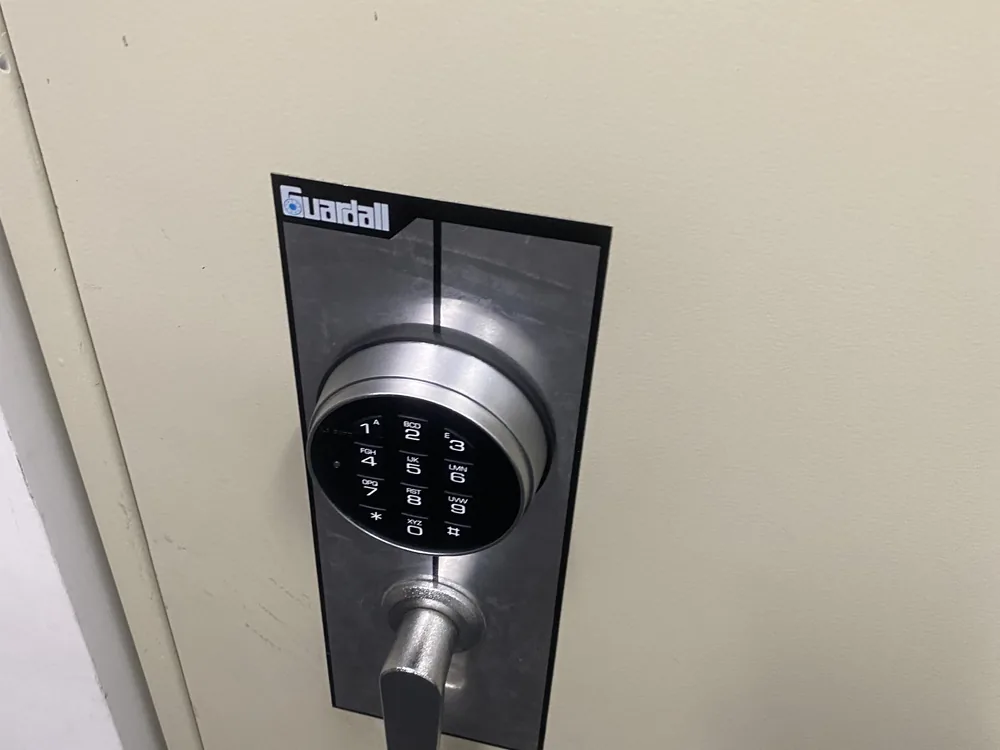
Code or credential entry on a door that many people use, so access can be given and withdrawn without another key in circulation.
Read about Keyless Entry →
Locksmith Services North Brisbane
A local person to talk to
Explain the access problem in plain language.
Locksmith Services North Brisbane is run by Stephen Johnston from Chermside West QLD 4032. Appointments are booked Monday to Friday, 7am to 4pm. Use the phone number or enquiry form with the people needing access and doors involved. The Google profile shows over 100 five-star reviews.
See over 100 five-star Google reviews →
What happens next
Sorting out access for several people
- 01 / Step
List the people, the doors and the codes
Set out who needs access, which doors each of them needs, and whether anything is already on a code or a keypad. Mention any key that should stop working, including one held by someone who has moved on.
- 02 / Step
Agree the levels and the entry method
Decide which doors sit in which group, and whether a busy door is better served by a code than by another key. Anything that cannot be brought into the arrangement is identified and discussed first.
- 03 / Step
Set it up, test it, and record it
The locks are rekeyed or the levels set, code entry is programmed where it is being used, and each key or code is tested against the doors it should open. The final list of who holds what is written down.
Useful guidance
Keeping shared access workable
Handover first, levels second
If the levels are set while unaccounted-for keys are still working, the property ends up with a tidy arrangement on paper and an unknown set of keys in circulation. Retiring the keys that should no longer work is the step that makes everything after it meaningful.
Codes, keys, and when each suits
A code suits a door used by many people because it can be changed when access changes. A key still suits a door used by the same small group, particularly where a code would simply be shared onwards. Both can be used at one property.
Withdrawing access when things change
People move on, arrangements change and a tradesperson finishes a job, so access should be able to be withdrawn cleanly. A recorded list of who holds which key or code, kept with the keying arrangement, is what makes that a short task rather than a rekey of the whole property.
Useful answers
Bribie Island locksmith questions.
If your situation is different, tell us what changed and what you need the doors or keys to do.
Several people need access. How should that be organised?
Decide the levels first, then the keys. A household group, a group for a self-contained area and a single key for a person who only needs one door are usually enough. Each person is then given the reach their role actually needs.
Should the keying be changed at a handover?
Where the keys that came with the property cannot be accounted for, yes. Rekeying the doors those keys operate retires them, and it is worth doing before the new keys are issued so there is no period when both sets work.
Can someone have access to one door only?
Yes. Access can be set so a key opens a single door or one group of doors without reaching the rest of the property. That is a keying decision made when the locks are set, and it can be changed later if the arrangement shifts.
Is code entry better than keys here?
It depends on the door. A door used by a changing group of people is often easier on a code, because access can be changed without collecting a key back. Doors used by the same small group are usually simplest on a key. Both can be used on the one property.
What hours are appointments available?
Locksmith appointments are booked Monday to Friday, 7am to 4pm. Have the list of people who need access and the doors they need, along with any key that should stop working, ready when you get in touch.
More coverage
Other North Brisbane areas.
Need help at another property? Contact us with the address and the access problem.
Contact Locksmith Services North Brisbane →Your next step
Tell us about
your doors.
Include your Bribie Island address, the doors or access points involved, what has changed and the result you need.
(07) 3469 5101 ↗Call Monday–Friday, 7am–4pm
Please leave out access codes, alarm details and photographs of key cuts. Confirm who can authorise the work.
Other contact details →Fields marked * are required. Street address is optional.