
Mobile locksmith service
Fortitude Valley
Fortitude Valley packs shops, units and commercial premises into the same few blocks, which means access is usually shared. Deciding who is authorised to open which door sits underneath every hardware question.
Monday–Friday, 7am–4pm · Mobile service
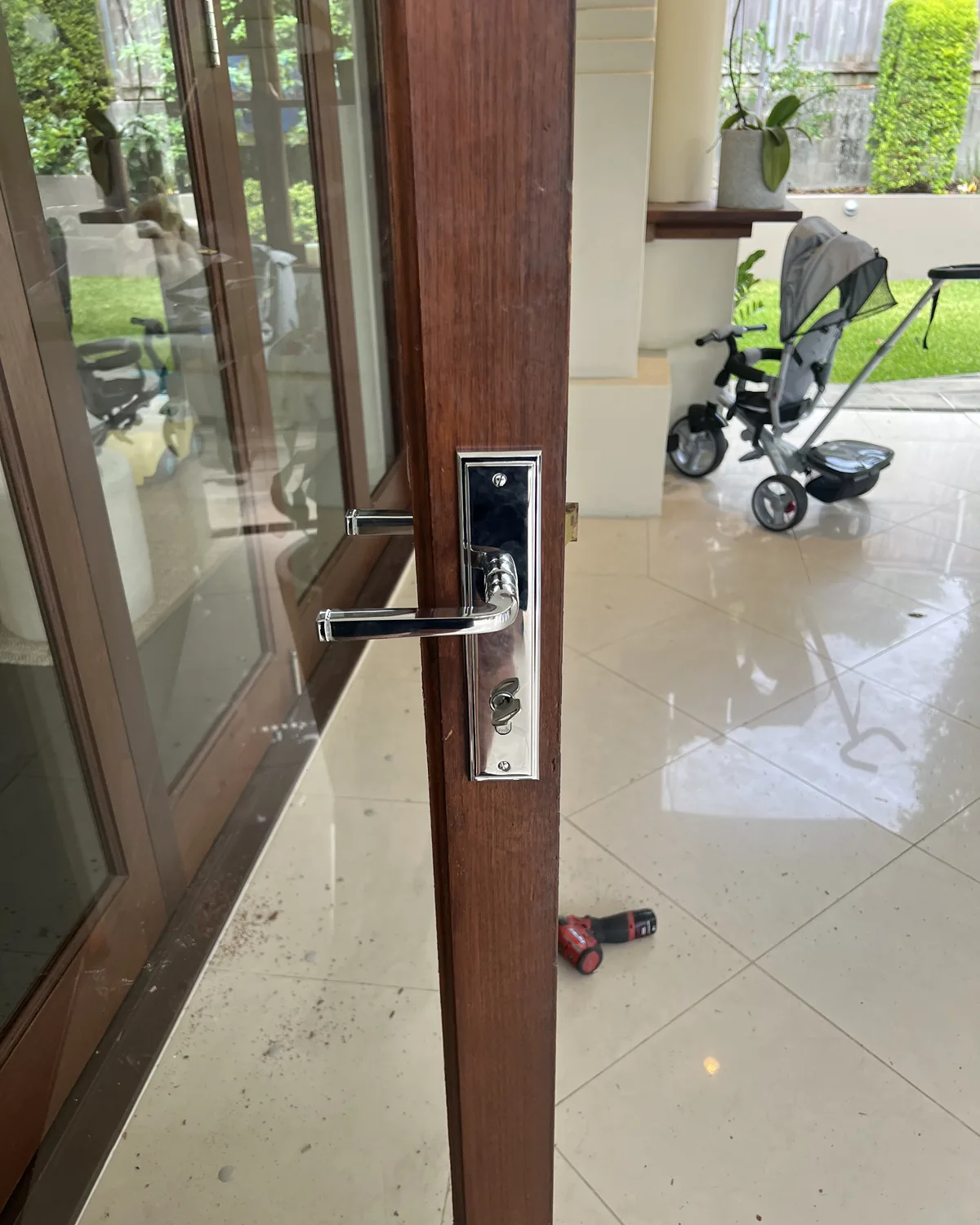
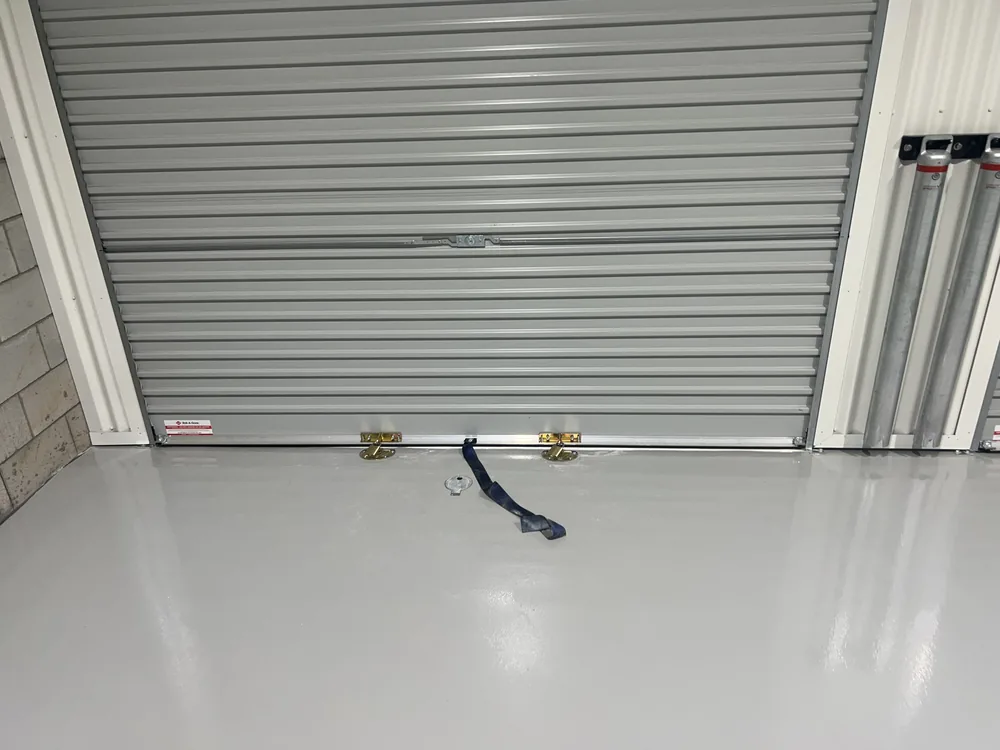
Start with what changed
Who authorises access in a shared building?
Where a door serves more than one occupant, the decision about it belongs to more than one party. Working that out first prevents work being done on a door that was not yours to alter.
What should I tell the locksmith?
Describe the property, the doors involved, what the key or lock is doing and who needs access. You do not need to identify the lock type yourself.
Repair, rekey or replace?
The right path depends on whether the hardware is still serviceable, whether old keys must stop working and whether the current lock still suits the door.
A clearer decision
Who authorises access in a shared building?
Where a door serves more than one occupant, the decision about it belongs to more than one party. Working that out first prevents work being done on a door that was not yours to alter.
Shops
Premises facing the street
A shopfront belongs to the business, while the door at the back of the tenancy may open onto a shared service area. Both may need attention, and not from the same authority.
The practical next stepClear responsibility at each door.
Units
Residential doors in a mixed block
Upper-floor units sit behind a common entrance, and the boundary between what an occupant controls and what the building controls is a matter of the building's own arrangements.
The practical next stepWork scoped to what you control.
After closing
Who locks up and how
In a busy precinct with late trading, the closing routine matters as much as the opening one. Deciding who locks up, and with which key, is where an access arrangement is tested. Where several businesses share an entrance or a rear lane, the closing routine has to work for all of them rather than only for whoever finishes last.
The practical next stepA closing routine that holds.
Local service planning
Access in a busy precinct
Fortitude Valley is postcode 4006, close to the CBD and holding a wide mix of building types: residential, commercial and a great many shops. Doors here are shared between neighbours far more often than in a purely residential suburb.
Buildings with several occupants
Where premises sit above or beside one another, the doors between them carry access arrangements rather than simply locks, which is what makes authorisation the first question.
Trading hours and who holds a key
Businesses that trade late need opening and closing arrangements that do not depend on one person always being present, and that is where the key list has to be thought through. A key held by a manager who has since moved on, or a spare kept behind the counter, is the kind of detail noticed only when it matters.
Mixed residential and commercial floors
A residential unit above a shop has its own access needs, and they differ from the premises below. The two do not necessarily suit the same arrangement.
Common locksmith work
Services for shared access
Choose the page that best matches the outcome you need, or describe the problem in the enquiry form.
Service option
Commercial Locksmith Solutions
Looking at locking arrangements across a premises and the shared areas it uses, so access points support the way the business and the building operate together.
Read about Commercial Locksmith Solutions →Service option
Body Corporate Services
Attending to the shared doors in a multi-occupant building, where several owners and tenants have an interest in how each entry is controlled.
Read about Body Corporate Services →Service option
Fire Entry Exit Solutions
Doors that serve both as an entry and as a means of exit need hardware that meets both roles, rather than being chosen to satisfy only one of them.
Read about Fire Entry Exit Solutions →Service option
Master Keying
Tying the doors of a premises to one key while giving nominated doors their own, which suits a building where different occupants need different levels of access.
Read about Master Keying →
Locksmith Services North Brisbane
A local person to talk to
Explain the access problem in plain language.
Bookings for Fortitude Valley come through Locksmith Services North Brisbane, the mobile locksmith business of Steve Johnston at Chermside West QLD 4032.
See over 100 five-star Google reviews →
What happens next
Getting authorisation settled first
- 01 / Step
Identify who controls the door
Before hardware is discussed, establish whether the door belongs to the tenancy, to the building, or to a common area shared with neighbours.
- 02 / Step
Agree what is wanted at the door
With responsibility established, the requirement can be set out plainly: what the door has to do, who uses it and who opens and closes it.
- 03 / Step
Then decide the hardware
The hardware is the last consideration rather than the first, because the right lock for a shared door depends on everything already agreed.
Useful guidance
Working with shared buildings
Ask before altering a shared door
Work carried out on a door that belongs to the building rather than the tenancy can create problems for neighbours and, in some cases, an obligation to put it back. Confirming where responsibility sits takes very little time and avoids a far longer process of restoring a shared door to how it was.
Plan the closing routine, not only the opening
A busy premises is usually well organised in the morning and less so at closing time. Deciding who locks up, and with what key, closes that gap.
Keep the arrangement explainable to staff
Access arrangements that only the owner understands do not survive a change of staff. Being able to explain who holds what is part of the arrangement working.
Useful answers
Fortitude Valley locksmith questions.
If your situation is different, tell us what changed and what you need the doors or keys to do.
Can a shop change the lock on its tenancy door?
The tenancy is usually the tenant's to arrange, while a door onto a shared service area or a common entrance belongs to the building. The two are dealt with differently.
Who should hold keys for a shared building?
The occupants who need access, together with whoever is responsible for the building. Keeping that list current is what stops keys accumulating in the wrong hands.
What is special about a fire exit door?
It has to work as both an entry and a means of exit, so its hardware is chosen to satisfy both roles rather than one of them at the expense of the other.
Do unit occupants need permission to change a lock?
Where the door is theirs alone, the arrangements are usually simpler than at a common entrance. It is worth confirming which door you are dealing with before anything changes.
How are late-trading premises handled?
By deciding the closing arrangement in advance, so that whoever is last out can secure the premises using keys they are meant to hold.
More coverage
Other North Brisbane areas.
Need help at another property? Contact us with the address and the access problem.
Contact Locksmith Services North Brisbane →Your next step
Tell us about
your doors.
Include your Fortitude Valley address, the doors or access points involved, what has changed and the result you need.
(07) 3469 5101 ↗Call Monday–Friday, 7am–4pm
Please leave out access codes, alarm details and photographs of key cuts. Confirm who can authorise the work.
Other contact details →Fields marked * are required. Street address is optional.