
Mobile locksmith service
Griffin
Changing hands is when door keys get confusing. Between the set you were given, spares in a drawer and anyone who has held a key before, the question is which doors still need changing and which hardware can stay.
Monday–Friday, 7am–4pm · Mobile service
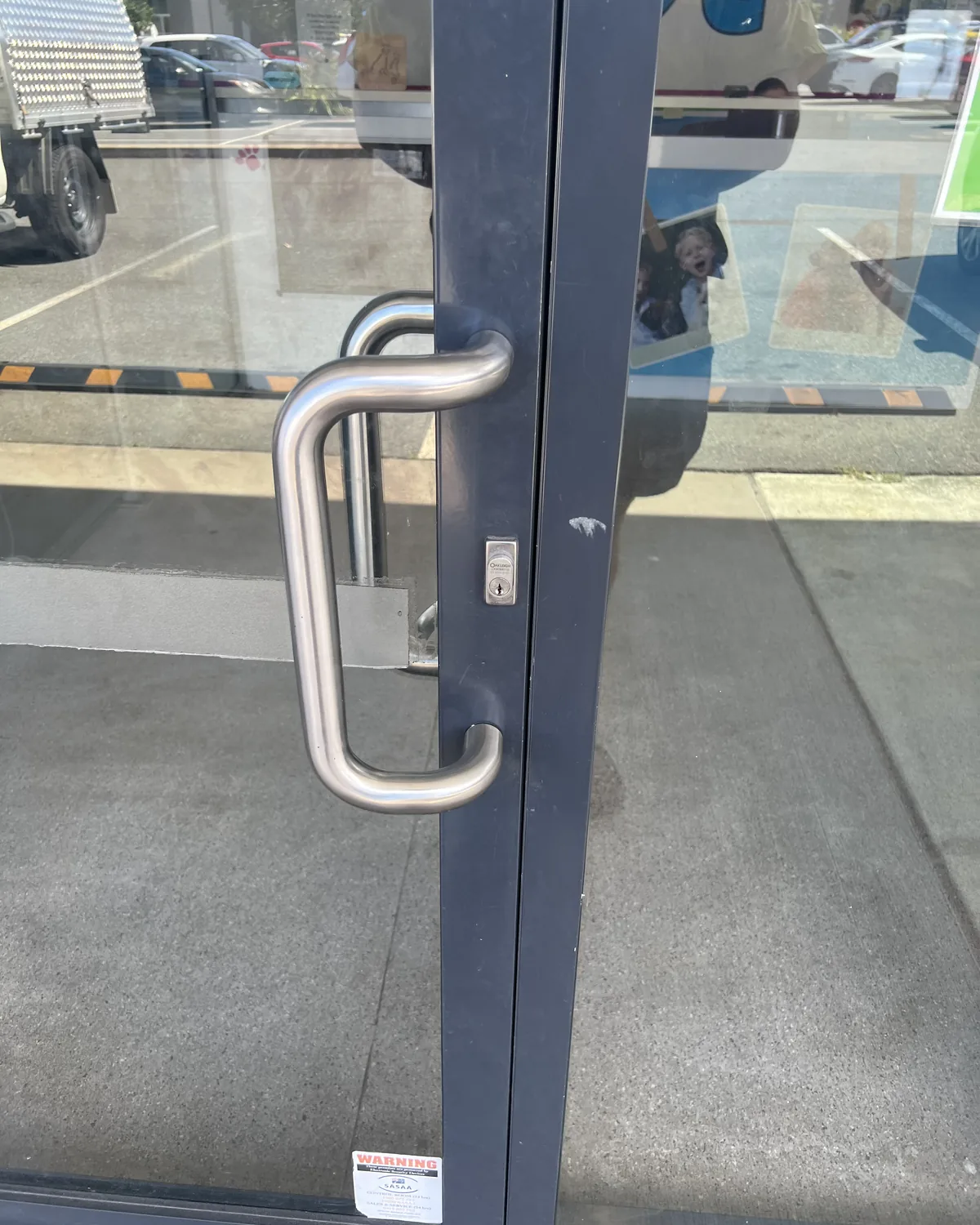
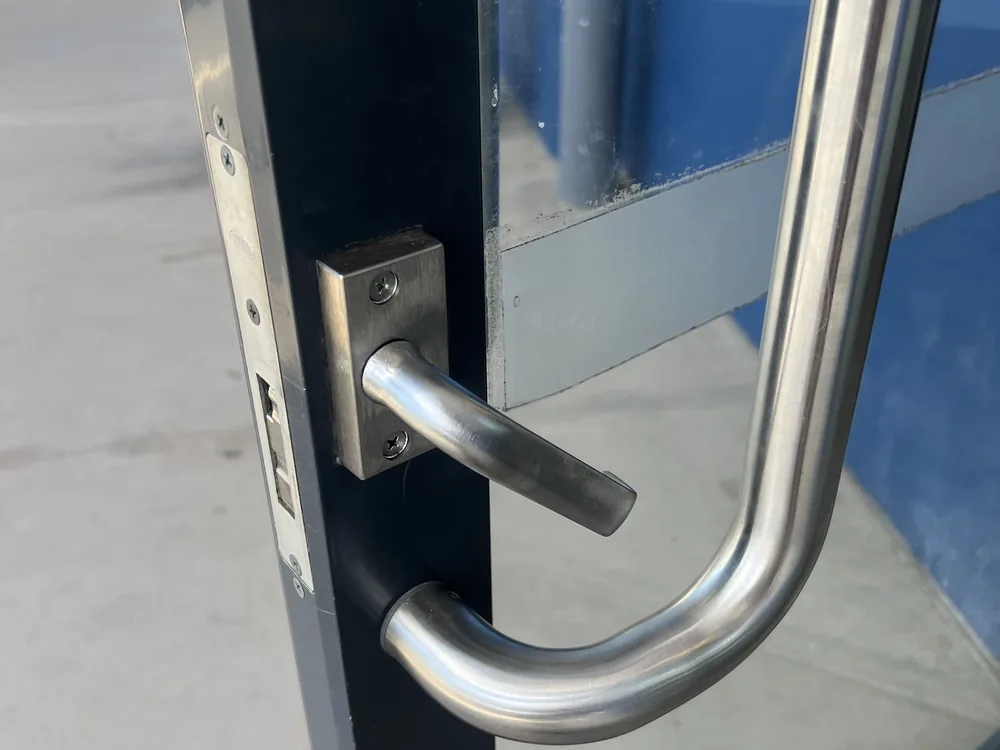
Start with what changed
Keys, cylinders or the whole lock
Most people start from the same phrase, change the locks, and it usually turns out to be one of three smaller jobs. Naming the right one keeps a sound lock on the door.
What should I tell the locksmith?
Describe the property, the doors involved, what the key or lock is doing and who needs access. You do not need to identify the lock type yourself.
Repair, rekey or replace?
The right path depends on whether the hardware is still serviceable, whether old keys must stop working and whether the current lock still suits the door.
A clearer decision
Keys, cylinders or the whole lock
Most people start from the same phrase, change the locks, and it usually turns out to be one of three smaller jobs. Naming the right one keeps a sound lock on the door.
Handover keys
Decide which doors must change
Suits a move where the hardware is fine and the problem is the number of keys around. Write down the entrances a previous holder could open, then decide which genuinely need a different key. A spare never returned, or a key cut for a side door, belongs on that list.
The practical next stepA short list of doors whose keys genuinely need retiring.
Hardware in good order
Keep the lock and change the keying
Suits a door that closes squarely, latches cleanly and keys without effort. Rekeying, or a replacement cylinder, moves it onto a new key while the body, handles and latch stay put. It is the usual answer at settlement, and avoids paying for hardware with years left in it.
The practical next stepThe same doors working on a fresh set of keys.
Worn or damaged
Replace what cannot be trusted
Suits a door where the latch no longer throws, the case is cracked, a handle has pulled loose or the door has dropped onto its frame. A new key will not cure any of that. Where the entrance has failed, the honest answer is replacement.
The practical next stepDoors that close, latch and key properly again.
Local service planning
Griffin doors, keys and changeovers
Griffin sits on the Pine River in postcode 4503, north of Brisbane, and is covered by the same mobile service that works across North Brisbane from Chermside West. In a changeover, the useful planning happens before access changes are made.
List the doors rather than the keys
Write down every entrance that matters: front, back, side, garage and any security screen. Note which keys work together now and which doors you would rather share a key. A written list is quicker to work from than a bench of loose keys.
Say what has actually changed
Settlement, a new lease, a housemate leaving or a spare that never came back all change who should open the door. The reason decides the work: keys that must stop working point one way, hardware that has failed points another.
Have outdoor hardware looked at in the same visit
Exterior locks, gate fittings and screen doors live in weather and are worth checking while an inside door is handled. Grouping them keeps the key plan consistent instead of leaving a forgotten entrance on the old key.
Common locksmith work
Work a changeover usually needs
Choose the page that best matches the outcome you need, or describe the problem in the enquiry form.
Service option
Rekeying after a handover
Rekey an existing lock so keys already in circulation stop working, which suits a changeover where the hardware is sound and only the key holders need to change.
Read about Rekeying after a handover →Service option
Replacing locks that have failed
Replace entrances that will not latch, will not key cleanly or were never right for the door, including security screen doors on the same property.
Read about Replacing locks that have failed →Service option
Property handover access
Access work for properties that change occupants, covering the entrance details owners, tenants and managers need settled before a handover is complete.
Read about Property handover access →Service option
Deadlocks on entry doors
Additional door security for front and rear entrances, where the existing latch is not the only thing you want holding the door closed.
Read about Deadlocks on entry doors →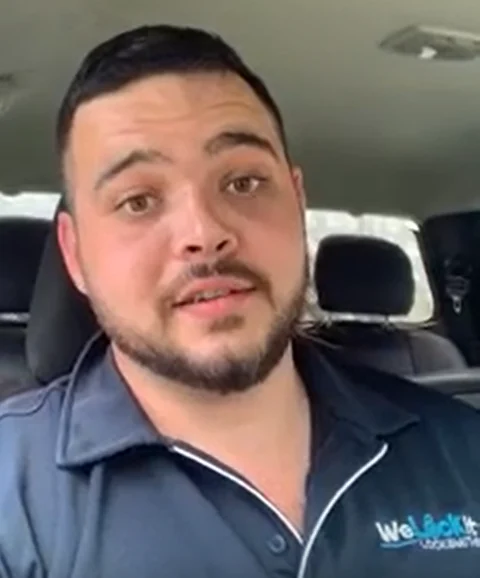
Locksmith Services North Brisbane
A local person to talk to
Explain the access problem in plain language.
Bring the door list and say who should keep access, which is usually enough for a clear answer.
See over 100 five-star Google reviews →
What happens next
How a changeover visit runs
- 01 / Step
Say what changed
Describe the property, the doors that matter and who should no longer have access. Mention any door that cannot be secured at all, because that reorders the work.
- 02 / Step
Agree what stays
Sound locks are kept and rekeyed; failed hardware is replaced. Settling that split in advance means nothing serviceable is discarded and nothing broken is patched over.
- 03 / Step
Confirm the new key set
Afterwards, walk the list and check which key operates what. Ask about a spare arrangement that suits the household rather than leaving the next copy to chance.
Useful guidance
Keys, timing and the handover gap
Why the handover is the moment to act
The gap between one occupant leaving and the next arriving is when a door is most exposed. Keys handed back rarely account for every copy cut, and one cut for a laundry or side door is the easiest to forget. Dealing with the entrances in that window keeps the change tidy.
Keeping hardware that still has life in it
A lock that keys smoothly and latches cleanly need not be thrown out because the occupant changed. Rekeying, or a replacement cylinder, puts the door onto a new key while body, handles and latch stay put.
Doors that have genuinely finished
Some entrances need hardware rather than keys. A latch that will not throw, a handle that has come loose, a cracked case or a door that has dropped onto its frame all point to replacement. Report those at the start so the right parts travel with the visit.
Useful answers
Griffin locksmith questions.
If your situation is different, tell us what changed and what you need the doors or keys to do.
If I have just settled on a Griffin property, which doors should change first?
Start with the entrances reachable from outside, such as the front, back, side and garage doors and any security screen. Those are what a previous holder's key would open. Interior doors rarely matter unless a key went missing too.
Can the existing locks stay if I only want new keys?
Usually yes. Where the lock is sound, rekeying or a fresh cylinder takes the old keys out of circulation while the hardware stays on the door. The lock is checked first, because an entrance that will not latch needs a different answer.
What should I have ready before a locksmith looks at the doors?
A list of the doors, a note of which keys work together now, and a clear idea of who should still have access afterwards. Flag any entrance that cannot be secured, as that is worth handling first.
Does every door need to end up on one key?
Not necessarily, though many households prefer it after a move. If you want a single key for the front, back and garage, say so before the work, because those locks have to be planned as a set rather than one at a time.
How soon should a Griffin changeover be dealt with?
As close to the handover as you can manage, during Monday–Friday, 7am–4pm for our service. The longer a property sits between occupants with old copies unaccounted for, the longer that gap stays open.
More coverage
Other North Brisbane areas.
Need help at another property? Contact us with the address and the access problem.
Contact Locksmith Services North Brisbane →Your next step
Tell us about
your doors.
Include your Griffin address, the doors or access points involved, what has changed and the result you need.
(07) 3469 5101 ↗Call Monday–Friday, 7am–4pm
Please leave out access codes, alarm details and photographs of key cuts. Confirm who can authorise the work.
Other contact details →Fields marked * are required. Street address is optional.